
Home solar · Northern Ireland
Solar panels and batteries for your home
Most homes we design are single-phase systems up to 3.68 kW, with a battery so you use your own power in the evening.
Talk to the BRISK Solar team
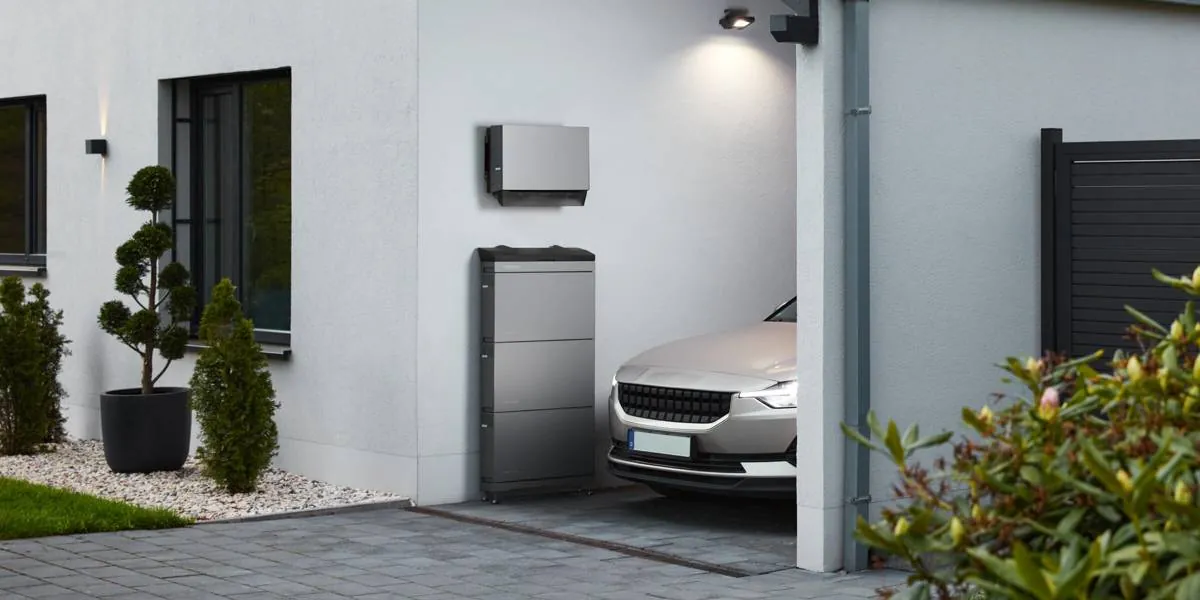
What you get
A system designed for your house, not a kit
Panels sized to you
We size panels to your roof and to how much power you use, day and night.
A battery for the evening
Store the daytime surplus for the evening, or fill the battery with cheaper overnight electricity.S6bS12
Paperwork handled
We deal with NIE Networks for you. A single-phase system with an inverter up to 3.68 kW is notified under G98/NI after installation. Larger systems, and most with a battery, need G99/NI approval before we install.S21
Home batteries
Pick your battery
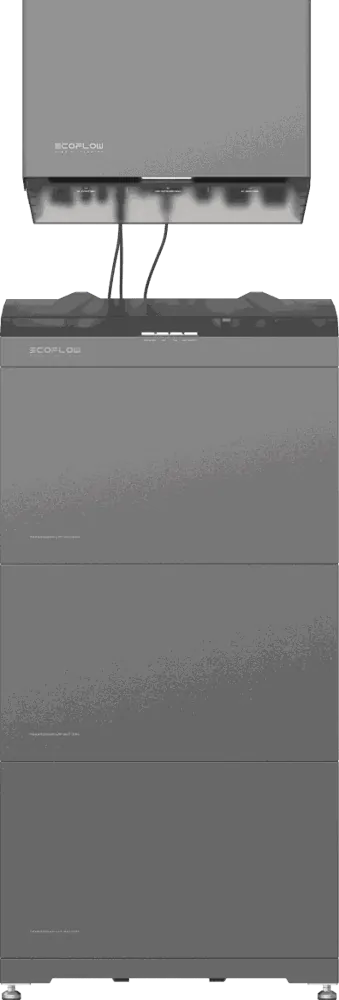

EcoFlow OCEAN 2
5 or 8 kWh modules, whole-home backup with conditions. Up to 48 kWh, or 96 kWh on the new OCEAN 2 Plus for larger homes.S2S3
EcoFlow PowerOcean →
Coming soon
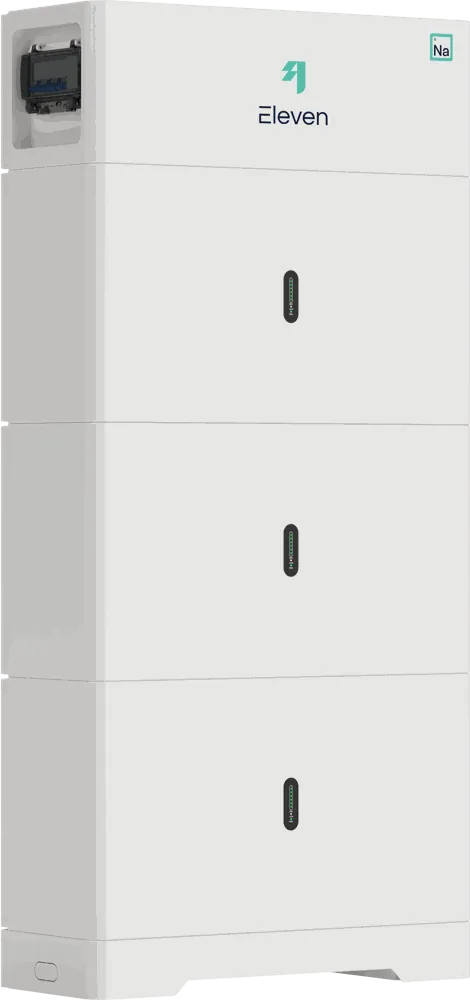

Eleven Galvani
4.5 kWh sodium-ion modules, rated for a cold garage.S11
Eleven sodium-ion →
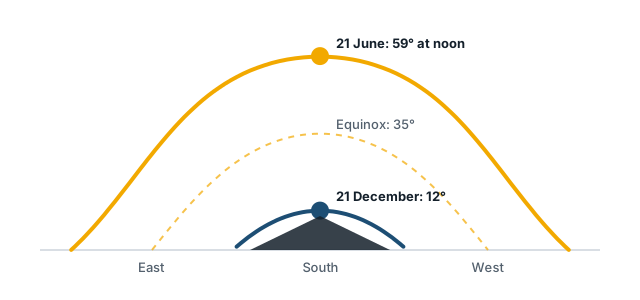
Northern Ireland weather
Does solar work here in winter?
Yes. Panels run on daylight, not heat, so they keep generating through the winter, just less than in summer. A battery makes every unit count.
Worked examples
What a system could cost and save
Three example systems, worked out from our typical installed prices and published figures. They are examples, not customers. Your free survey gives your own figures.
Worked example
Home A: 10 panels (4.4 kW), no battery
A typical NI home using 3,200 kWh a yearS47.
System
10 × 440 W panels, 4.4 kW, single-phase
Cost
£4,000 to £5,000
Makes
3,585 kWh a year
First-year saving
£367
Payback
10.9 to 13.6 years
Payback counts savings on your bill only, not export payments. We confirm at your survey whether export payments apply to yours.
How we worked this out
- Cost: £4,000 to £5,000, our typical installed price for 10 × 440 W panels (4.4 kW)S61, at 0% VATS55
- Output: 4.4 kW × 823 kWh per kW a year, the measured average for all NI solar in 2025S40, less 1% first-year wearS60 = 3,585 kWh
- Used at home: 30% (1,076 kWh), measured for 4 kW systemsS53. Saves 1,076 × 34.15p = £367S47S48
- Exported: 2,509 kWh. Not counted: export payments are left out of these figures.
- Simple payback: £4,000 ÷ £367 = 10.9 years, to £5,000 ÷ £367 = 13.6 years. No price rises, finance or tax relief included.
Worked example
Home B: 10 panels (4.4 kW) with a battery
The same home, adding a battery to use more of its own power.
System
10 × 440 W panels, 4.4 kW, single-phase, plus a battery
Cost
£7,000 to £10,000
Makes
3,585 kWh a year
First-year saving
£735 to £857
Payback
8.2 to 13.6 years
Payback counts savings on your bill only, not export payments. We confirm at your survey whether export payments apply to yours.
How we worked this out
- Cost: £7,000 to £10,000, our typical installed price for 10 × 440 W panels (4.4 kW) with a batteryS61, at 0% VATS55
- Output: 4.4 kW × 823 kWh per kW a year, the measured average for all NI solar in 2025S40, less 1% first-year wearS60 = 3,585 kWh
- Used at home: shown as 60% to 70% (2,151 to 2,510 kWh). This is a range, not a measured figure: your survey works it out for your homeS54. Saves £735 to £857 at 34.15pS47S48
- Exported: 1,434 to 1,075 kWh. Not counted: export payments are left out of these figures.
- Simple payback: £7,000 ÷ £857 = 8.2 years, to £10,000 ÷ £735 = 13.6 years. No price rises, finance or tax relief included.
Worked example
Home C: 10 panels (4.4 kW), battery and an EV tariff
A higher-use home with an electric car, using 6,000 kWh a year, on an overnight EV tariff.
System
10 × 440 W panels, 4.4 kW, single-phase, plus a battery
Cost
£7,000 to £10,000
Makes
3,585 kWh a year
First-year saving
£904 to £1,038
Payback
6.7 to 11.1 years
Payback counts savings on your bill only, not export payments. We confirm at your survey whether export payments apply to yours.
How we worked this out
- Cost: as Home B, £7,000 to £10,000S61, at 0% VATS55. Usage of 6,000 kWh a year is our example, not a published average.
- Tariff: Power NI EV Nightshift, 37.20p a kWh by day and 17.79p overnight (1am to 8am in winter), inc VATS62
- Output: 4.4 kW × 823 kWh per kW a year, the measured average for all NI solar in 2025S40, less 1% first-year wearS60 = 3,585 kWh
- Used at home: shown as 60% to 70% (2,151 to 2,510 kWh), a range, not a measured figureS54. Saves £800 to £934 at the 37.20p day rateS62
- Exported: 1,434 to 1,075 kWh. Not counted: export payments are left out of these figures.
- Winter top-up: from November to February (120 days) the battery also fills overnight and covers 5 kWh of daytime use. 600 kWh × 37.20p = £223, less 667 kWh to charge it × 17.79p = £119. Net £104. The 5 kWh a day and the 10% charging loss are our assumptions.
- Charging the car overnight saves money on its own, with or without solar, so it is not counted here.
- Simple payback: £7,000 ÷ £1,038 = 6.7 years, to £10,000 ÷ £904 = 11.1 years. No price rises, finance or tax relief included.
See all seven examples and how we work them out → · Get my free quote →
Questions from homeowners
Home solar questions
Do solar panels work in winter?
Yes. Panels generate from daylight, not heat, so they keep working through a Northern Ireland winter, just at a lower output than in summer. Pair them with a battery and you make the most of every unit, storing the daytime surplus for the evening. A sodium-ion battery keeps working in a cold garage or shed down to minus 20°C.S11
Do I need a battery?
Not always, but most people want one. Without a battery, solar you don’t use straight away goes to the grid. With one, you use it yourself in the evening, and you can also fill the battery with cheaper overnight electricity, even in winter.S6bS12 We’ll show you both options at survey.
Can I add a battery to the solar I already have?
Usually, yes, and it’s one of the best upgrades for older systems. EcoFlow, the battery we fit today, can be added to existing panels, and so can Eleven when it arrives. We check your inverter, consumer unit and NIE Networks registration first.S2S12
Will it work in a power cut?
It can. EcoFlow OCEAN 2 keeps your whole home running, with conditions. Eleven Energy, coming soon once it is certified in Northern Ireland, will back up chosen essential circuits.S2S12 Tell us what matters to you at survey and we’ll design for it.
Are solar panels worth it in Northern Ireland?
For most homes, yes. In our worked examples, 10 panels (4.4 kW) cost £4,000 to £5,000 and pay back in about 10.9 to 13.6 years. With a battery they cost £7,000 to £10,000 and pay back in about 8.2 to 13.6 yearsS61. These count savings on your bill only, not export payments. Your free survey gives your own figures. See all seven worked examples.
Quick enquiry
Want us to call you?
Leave a few details and we’ll ring to talk it through, or answer five quick questions for a fuller quote.

BRISK Solar is part of BRISK Technology.
One partner for your solar and batteries, IT, Wi-Fi and networks, broadband, phones, CCTV, websites, card payments and EPOS systems, so there’s one number to call whatever you need.